Mumbai-Ahmedabad Bullet Train: Progress, Delays, and Where It Stands Now
Nine years after Prime Minister Narendra Modi and former Japanese Prime Minister Shinzo Abe launched India’s first bullet train project between Mumbai and Ahmedabad in 2017, the ambitious rail infrastructure plan is still racing through construction stages. While delays have plagued the project, significant milestones have been achieved.
Current Progress
Union Railway Minister Ashwini Vaishnaw shared the latest progress update:
| Component | Progress |
|---|---|
| Total Route | 508 km |
| Viaduct Completed | 349 km |
| Undersea Tunnel | 7 km (Thane Creek) |
| Design Speed | 320 kmph |
| Operating Speed | ~250 kmph |
Key Achievements
1. Major Viaduct Work
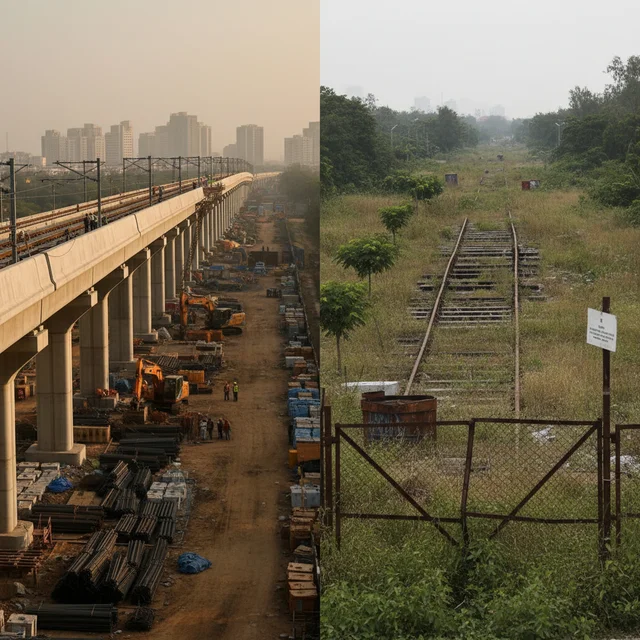
Over two-thirds of the elevated section (viaduct) has been completed, representing significant progress in the infrastructure project.
2. India’s First Undersea Rail Tunnel
The bullet train corridor includes India’s first undersea rail tunnel beneath Thane Creek, stretching approximately 7 kilometres. This engineering marvel will allow trains to travel beneath the water body connecting Mumbai and Thane.
3. Domestic Manufacturing
In late 2024, the Integral Coach Factory awarded an Rs 867-crore contract to Bengaluru-based BEML to design and manufacture India’s first domestically built high-speed trains for the corridor.
Travel Time and Services
Two types of services are planned on the route:
| Service Type | Stops | Mumbai-Ahmedabad Time |
|---|---|---|
| Fast Service | Surat, Vadodara only | Just over 2 hours |
| All-Stop Service | All stations | Under 3 hours |
Comparison with Current Options
| Mode | Travel Time |
|---|---|
| Regular Train | ~7 hours |
| Vande Bharat Express | ~5.5 hours |
| Bullet Train (Fast) | ~2 hours |
| Flight | ~1.5 hours (plus airport time) |
Ticket Pricing
Ticket fares for the bullet train are proposed to remain competitive compared to existing rail and air travel options on the route, making it an attractive option for business and leisure travellers.
Challenges Faced
The project has faced major delays, especially in Maharashtra due to land acquisition issues. However, officials now say work has picked up across several sections of the route.
Technical Specifications
The trains are expected to operate at around 250 kmph, with a design speed of 280 kmph. However, the corridor infrastructure is being built for speeds up to 320 kmph.
Japan Partnership
The 508-km Mumbai-Ahmedabad High Speed Rail (MAHSR) corridor is being built with Japanese technical and financial support. The system has been adapted to suit Indian requirements and weather conditions, with a focus on maintaining the highest safety standards and maintenance protocols.
Timeline Clarification
According to the government, a clear timeline for completion can only be determined after work related to:
- Civil structures
- Tracks
- Electrical systems
- Signalling
- Telecommunications
- Trainset supply
…is completed.
Key Takeaways:
- 349 km of viaduct work completed out of 508 km
- India’s first undersea rail tunnel under construction
- Domestic manufacturing begins with BEML contract
- Mumbai-Ahmedabad in just over 2 hours (fast service)
- Timeline depends on completing remaining infrastructure
This landmark project continues to progress despite challenges. Stay updated on India’s bullet train journey.